
Argentina
Argentina combines a major international capital, university cities, wine regions, mountain destinations and extensive rural areas. Its real-estate markets differ substantially, and prices are often analyzed in U.S. dollars, although legal and tax requirements depend on the jurisdiction.
- Capital
- Buenos Aires
- Currency
- Argentine peso (ARS)
- Language
- Spanish
- Population
- 45.9 million2025
- Region
- South America
- Time zone
- UTC−3 (Argentina Time)
Key indicators
Population
45.9 million
GDP
US$683.2 billion
GDP per capita
US$14,898
Urban population
92.4%
Human Development Index
0.865
National context only — these figures are not direct investment signals.
Why consider Argentina
Urban and regional diversity
The country offers large urban centers, mid-sized cities, tourism destinations, agricultural regions and mountain communities.
Highly urbanized population
More than 90% of the population lives in urban areas, supporting multiple residential and service markets.
Lifestyle variety
Buyers can choose among metropolitan living, coastal areas, wine regions, Patagonia, mountain ranges and historic cities.
Featured cities
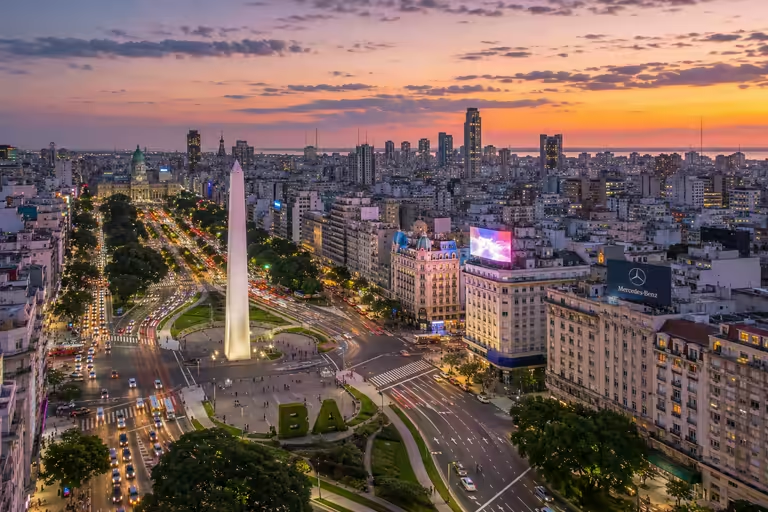
Buenos Aires
The country's leading urban market, with extensive cultural, professional and residential offerings.
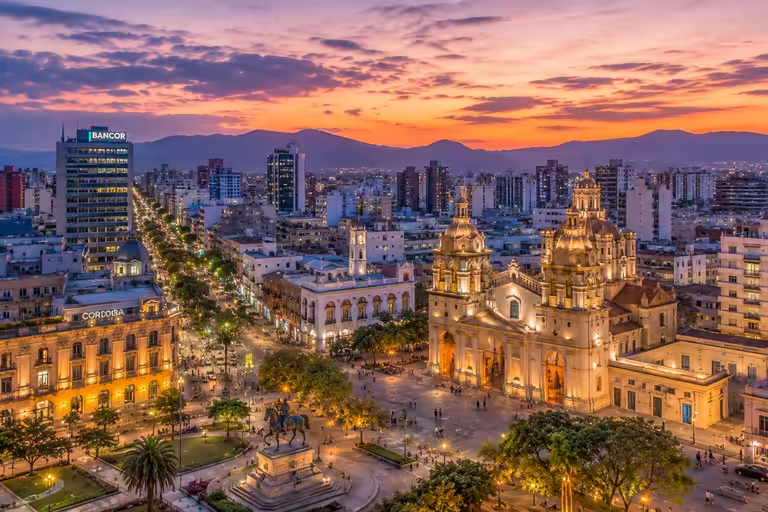
Córdoba
Major university and industrial city in central Argentina, with diverse residential markets.
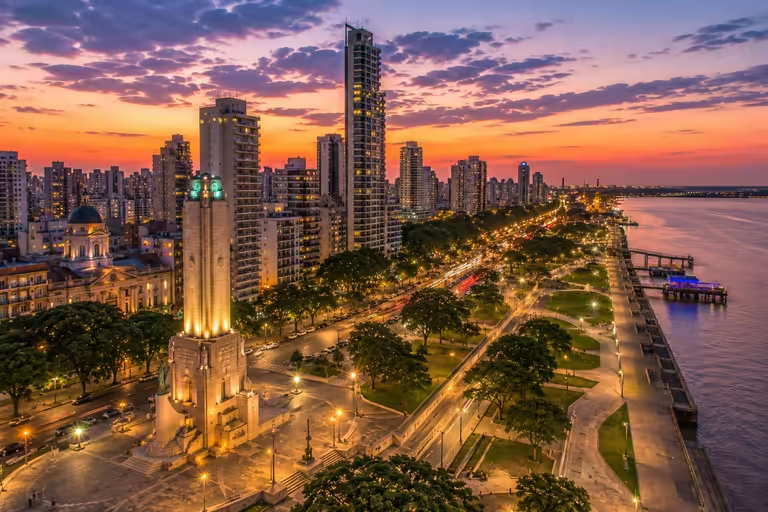
Rosario
Urban and productive center on the Paraná River, with commercial and logistics activity.
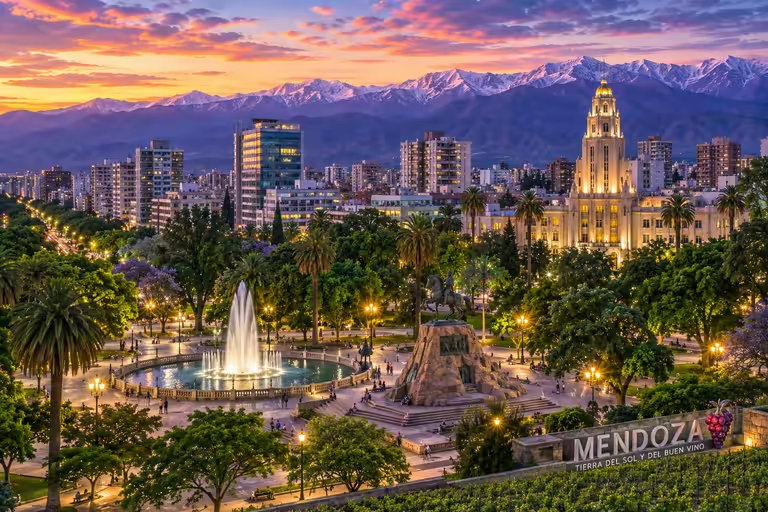
Mendoza
City associated with wine, tourism and the Andes, with residential and second-home demand.
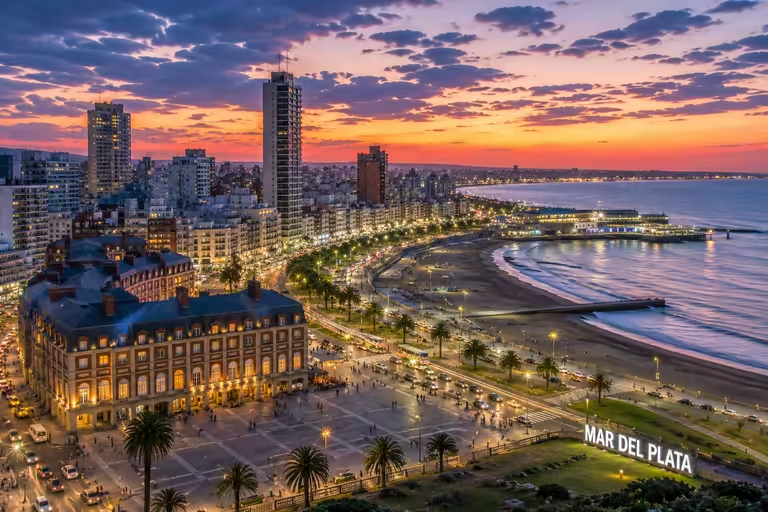
Mar del Plata
The country's principal coastal destination, with vacation, residential and seasonal markets.
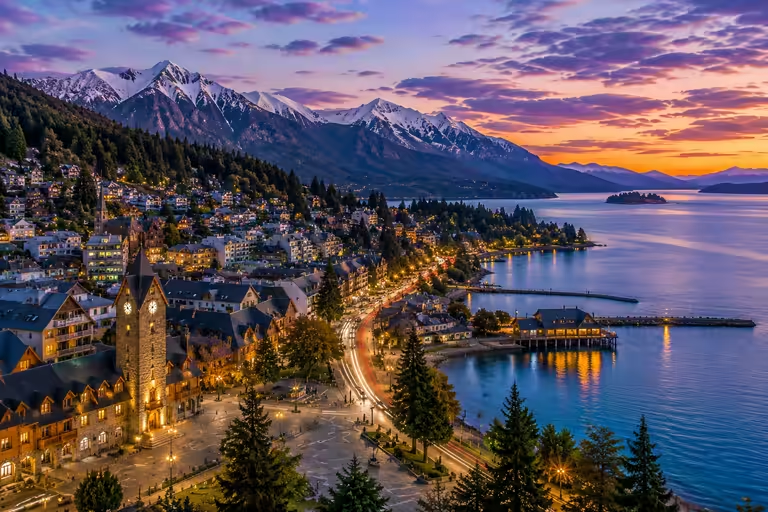
San Carlos de Bariloche
Patagonian mountain destination with international tourism and a second-home market.
Buying property as a foreigner
Where the property is located changes the process
Outside the restricted zone
Outside situations subject to special restrictions, foreign nationals can generally acquire urban property directly. The transaction requires tax identification, title review, certificates, notarial involvement where applicable and registration of the deed.
Inside the restricted zone
Argentina does not have a coastal restricted zone equivalent to Mexico's. To preserve a common schema, this field groups areas subject to special rules: rural land, border security zones and certain properties involving significant permanent bodies of water.
Typical buying process
- 1
Obtain tax identification
Obtain a CUIT or CDI as applicable and prepare passport, powers of attorney, translations and source-of-funds documentation.
- 2
Legal due diligence
Review title, ownership, seller restrictions, liens, debts, cadastral status, condominium rules and the seller's legal standing.
- 3
Check special restrictions
Determine whether the property is rural, located within a border security zone or contains or borders bodies of water subject to restrictions.
- 4
Reservation, contract and deed
Define price, currency, deposit, conditions and timelines; then execute the deed and register it.
Urban residential property can generally be acquired directly. Rural land requires verification of statutory limits and, where applicable, an authorization certificate from the National Registry of Rural Lands. Rural property within security zones also requires prior consent from the competent authority.
Argentina does not generally require a real-estate trust for foreign buyers. The purchase structure should be reviewed according to property type, location and buyer status.
Explore on the map
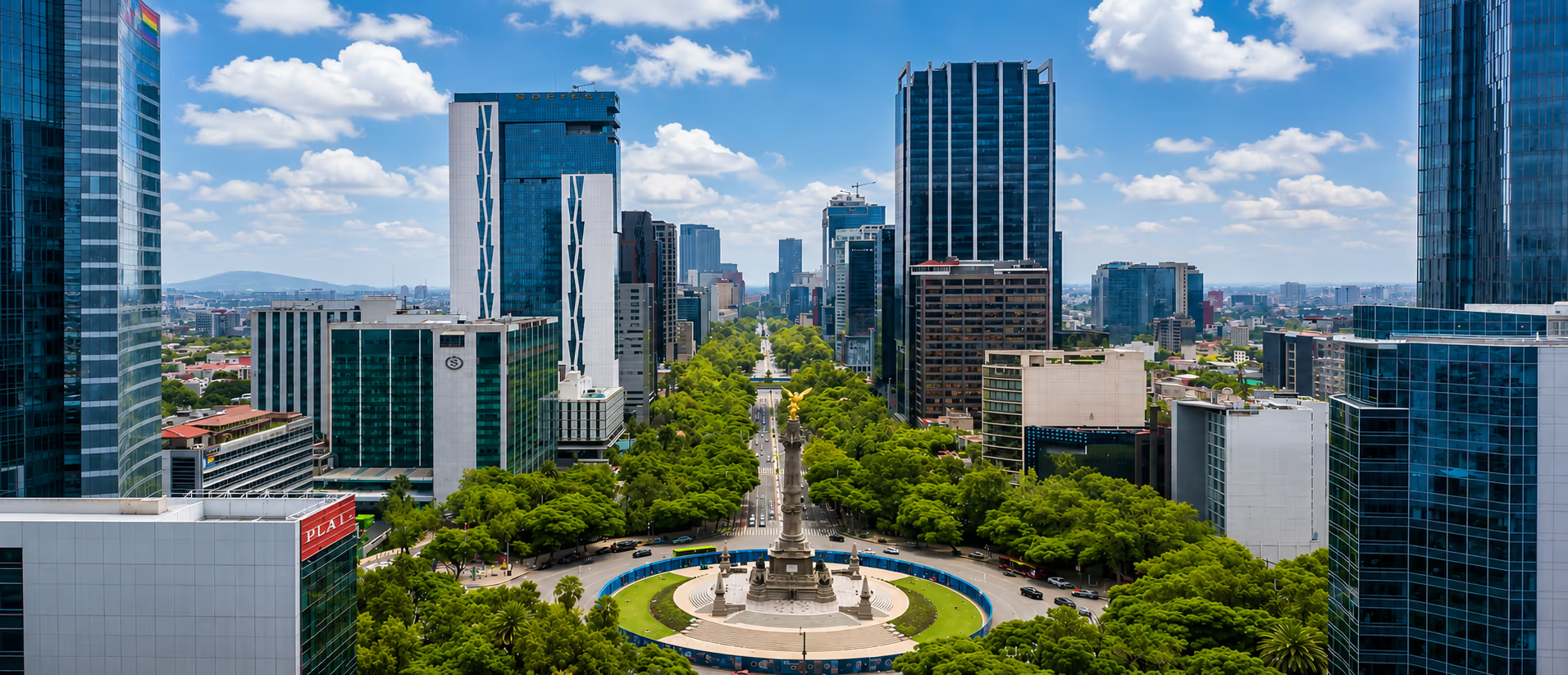
México
Warm climate, vibrant culture, great lifestyle.
Explore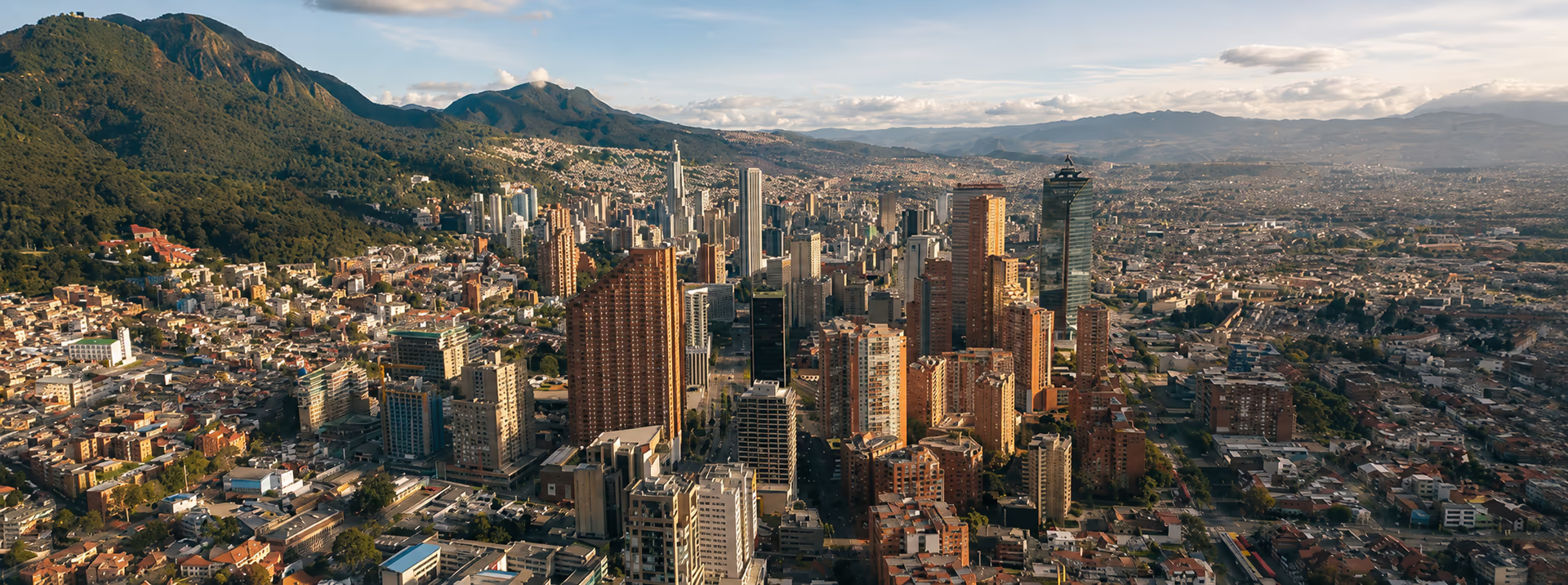
Colombia
Affordable living, modern cities, and nature.
Explore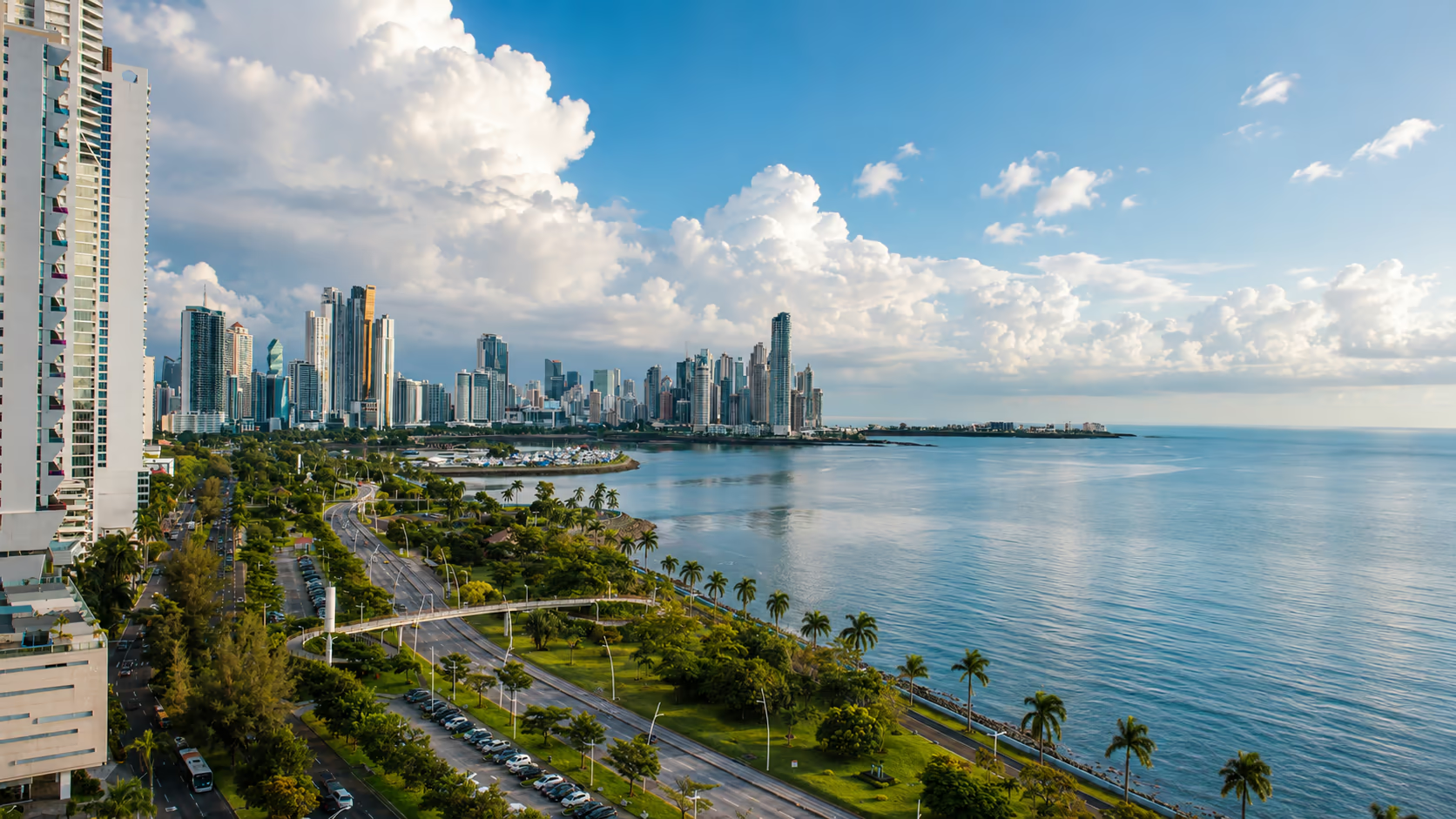
Panamá
Stability, connectivity and a strategic location.
Explore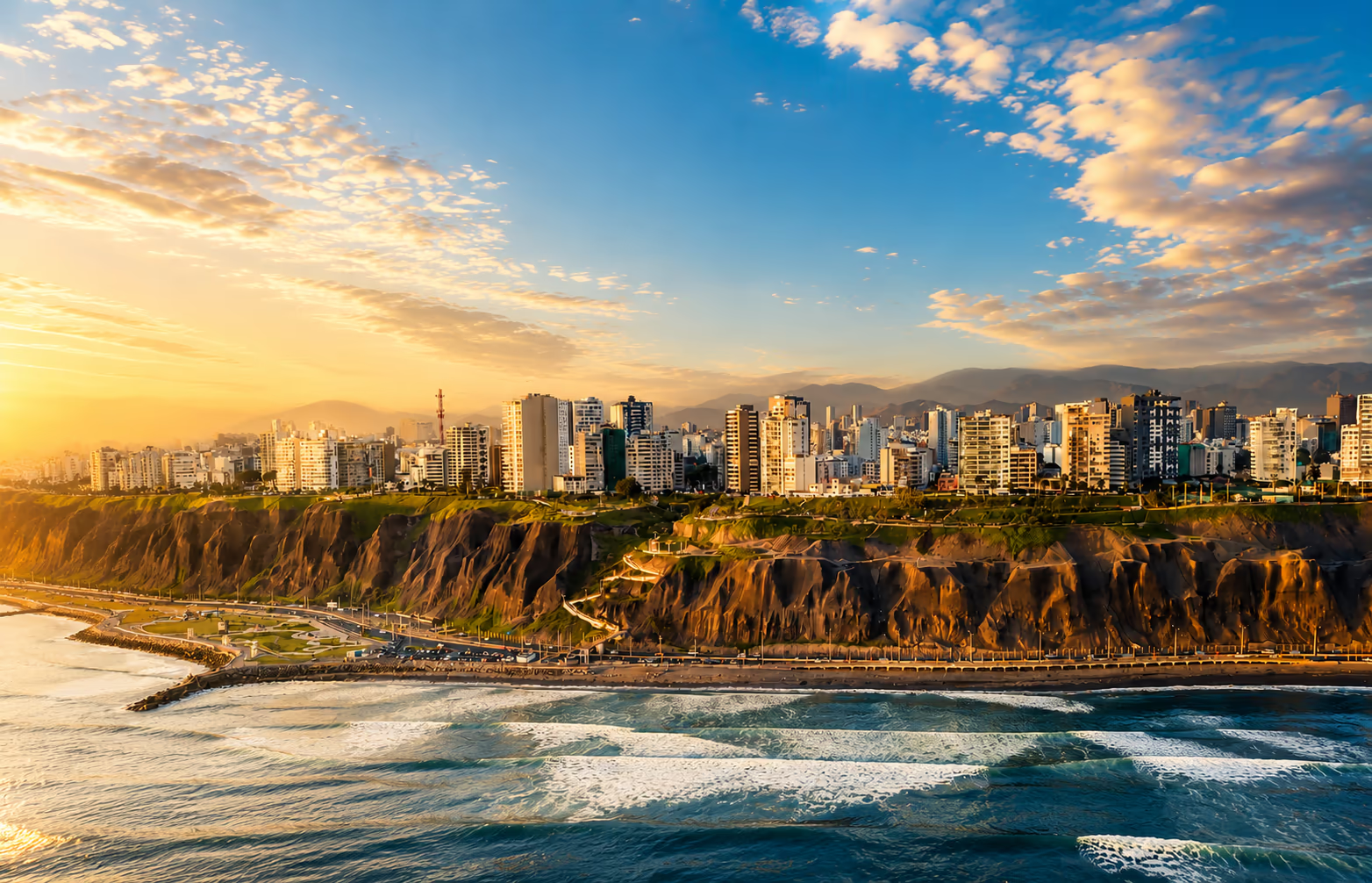
Perú
Rich history, incredible food, low cost of living.
ExploreArgentina
Diverse landscapes, great food and opportunities.
Explore
Brasil
Continental scale, coastal cities and vibrant culture.
Explore
Uruguay
Stability, safety and a relaxed coastal lifestyle.
Explore
Paraguay
Low cost of living and a growing, accessible market.
ExploreThe map shows the properties available in this country. Tap a pin to see the details.
Search properties in ArgentinaFrequently asked questions
Disclaimer: This information is general and educational. Rules concerning purchases, taxes, rural land, security zones and registration may change or be interpreted differently by jurisdiction. They should be confirmed with a notary, attorney, accountant or other authorized professional.