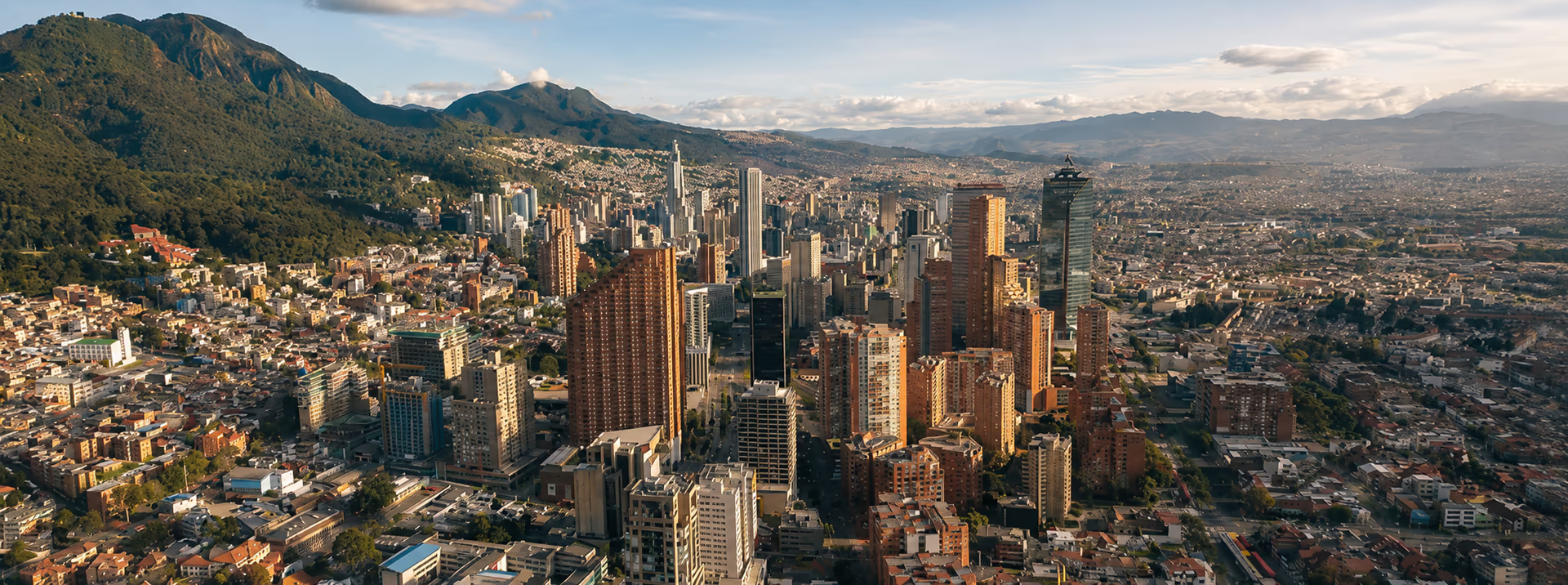
Colombia
Colombia combines major urban centers, temperate-climate cities, coastal destinations and regional markets with very different real-estate dynamics. Foreign buyers can generally acquire urban property under conditions similar to nationals, but the investment must be structured and registered correctly.
- Capital
- Bogota
- Currency
- Colombian peso (COP)
- Language
- Spanish
- Population
- 53.4 million2025
- Region
- South America
- Time zone
- UTC−5 (Colombia Time)
Key indicators
Population
53.4 million
GDP
US$457.4 billion
GDP per capita
US$8,562
Urban population
78.8%
Human Development Index
0.788
National context only — these figures are not direct investment signals.
Why consider Colombia
Diverse regional markets
Bogota, Medellin, Cali, Barranquilla, Cartagena and other cities have different demand profiles, prices and lifestyles.
Extensive urban network
The country has several significant metropolitan areas, as well as mid-sized cities and tourism destinations.
Climate variety
Elevation creates very different climates among cities, ranging from warm coastal areas to temperate and cool mountain regions.
Featured cities
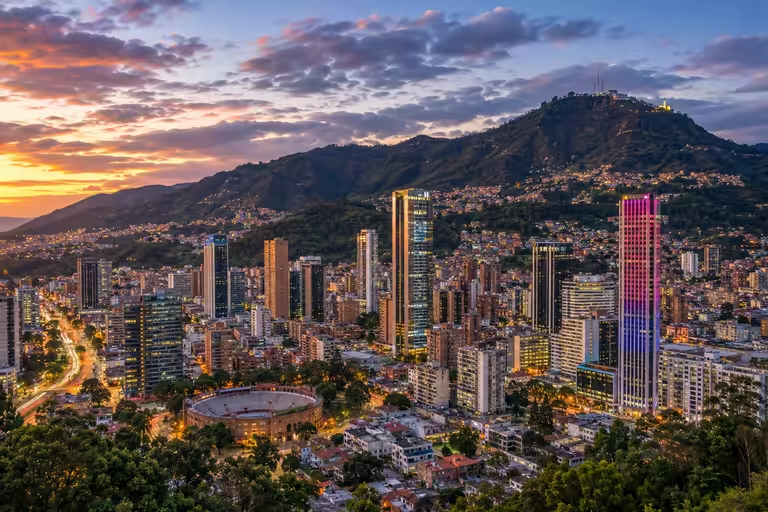
Bogota
The country's main political, business and financial center, with a large and segmented residential market.
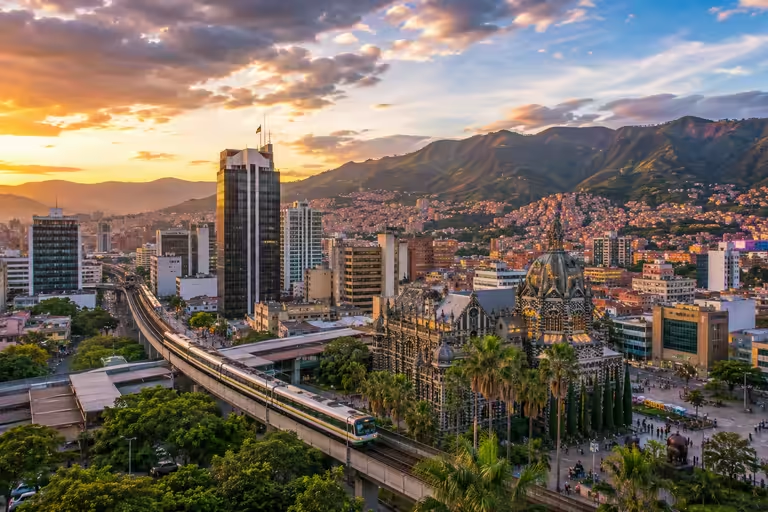
Medellin
Temperate-climate technology and business hub with strong interest from international buyers and residents.
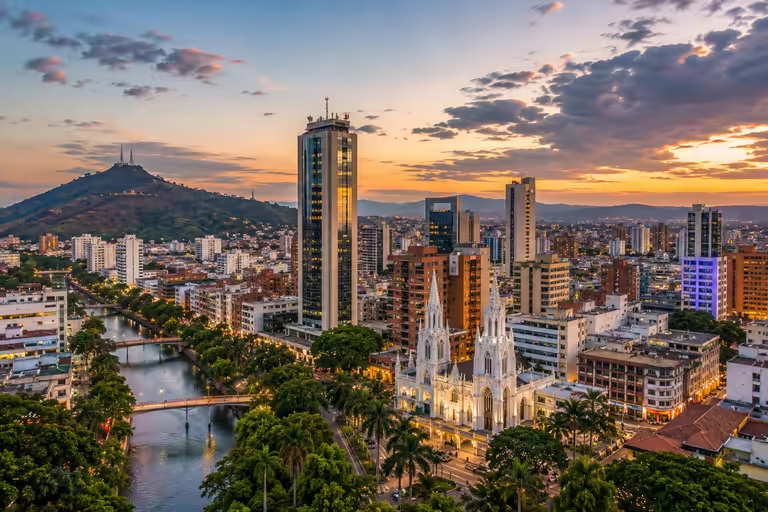
Cali
Major urban market in southwestern Colombia, with industrial, commercial and cultural activity.
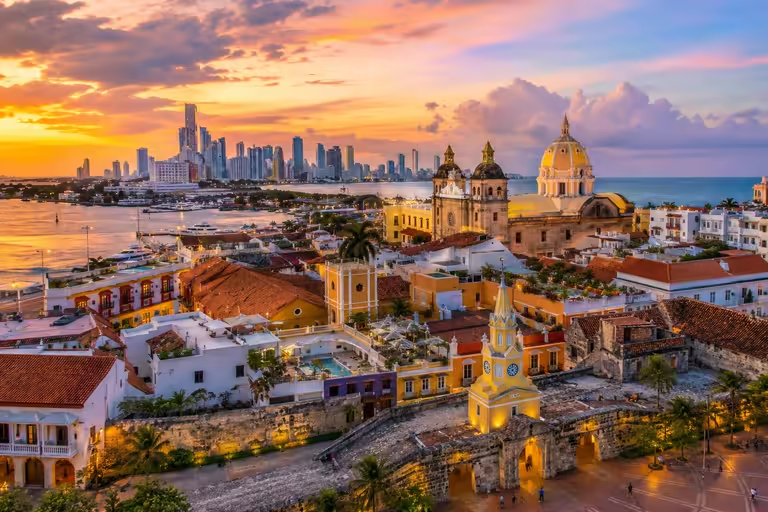
Cartagena
Historic coastal destination with tourism, vacation and higher-value residential demand.
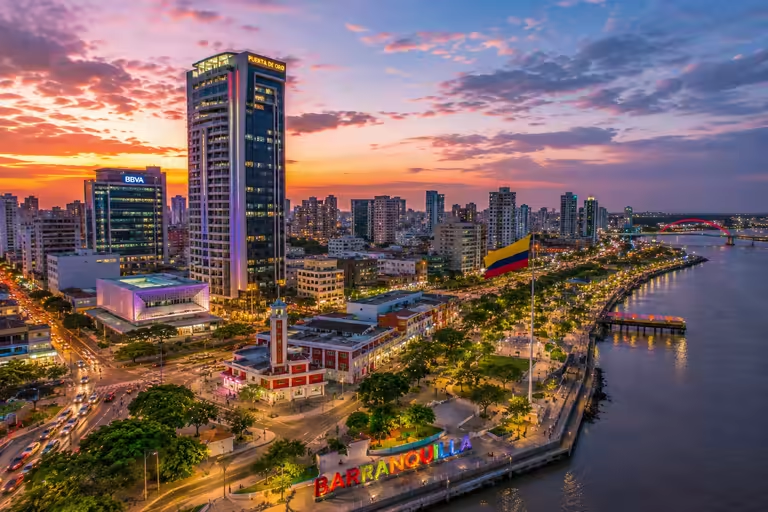
Barranquilla
Business and logistics hub on Colombia's Caribbean coast with urban and commercial expansion.
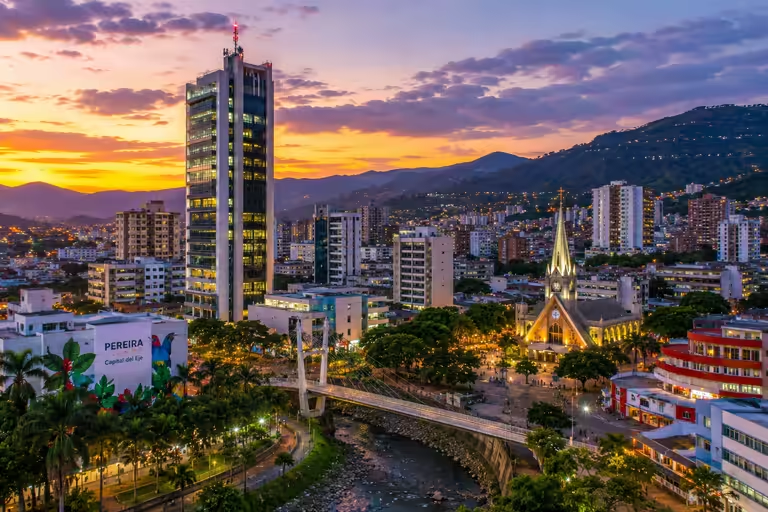
Pereira
Mid-sized city in the Coffee Region with regional connectivity, services and a mountain setting.
Buying property as a foreigner
Where the property is located changes the process
Outside the restricted zone
Outside situations requiring special review, an urban purchase generally involves a title study, purchase agreement where applicable, public deed before a notary, payment of taxes and fees and registration with the Public Instruments Registry Office.
Inside the restricted zone
Colombia does not apply a general coastal restricted zone equivalent to Mexico's. To preserve a common schema, this field groups situations requiring special review, such as rural land, public lands, restitution history, environmental limitations, ethnic protections or land-use restrictions.
Typical buying process
- 1
Identification and fund structure
Prepare passport, tax identification where applicable, apostilled powers of attorney and banking documentation needed to channel and register the investment.
- 2
Title study
Review the certificate of title and encumbrances, owners, liens, limitations, proceedings, legal encumbrances, debts and planning status.
- 3
Contract and public deed
Define price, currency, payment method, deposit, conditions and timelines; then formalize the purchase before a notary.
- 4
Taxes, registration and foreign investment
Pay applicable taxes and fees, register the deed and retain foreign-exchange and foreign-investment documentation.
Urban residential property can generally be acquired directly through a public deed and registration. Before purchase, the certificate of title and encumbrances, title study, debts, land use, condominium regime and source of funds should be reviewed.
Colombia does not generally require a real-estate trust for a foreign national to buy a home. A fiduciary structure may be used contractually, especially in new developments, but it does not replace legal due diligence or property registration.
Explore on the map
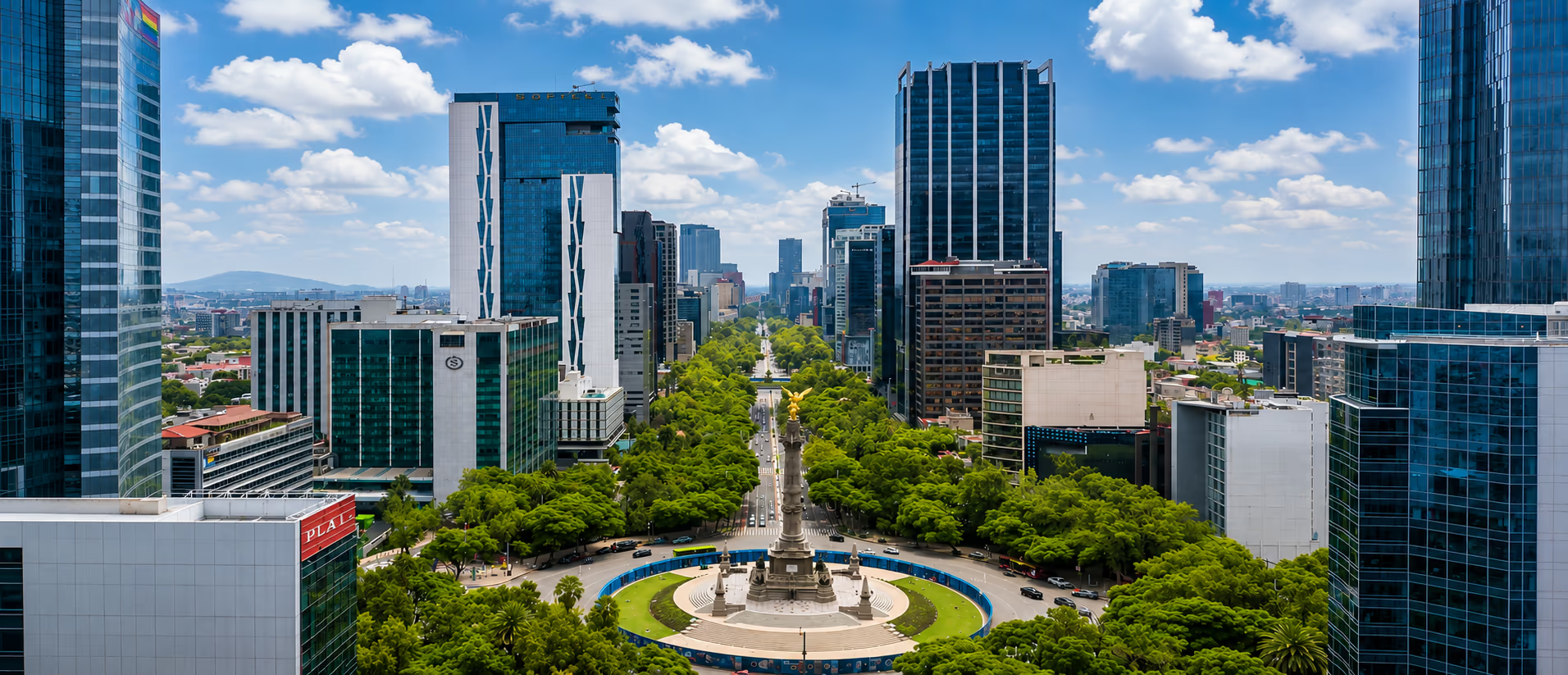
México
Warm climate, vibrant culture, great lifestyle.
ExploreColombia
Affordable living, modern cities, and nature.
Explore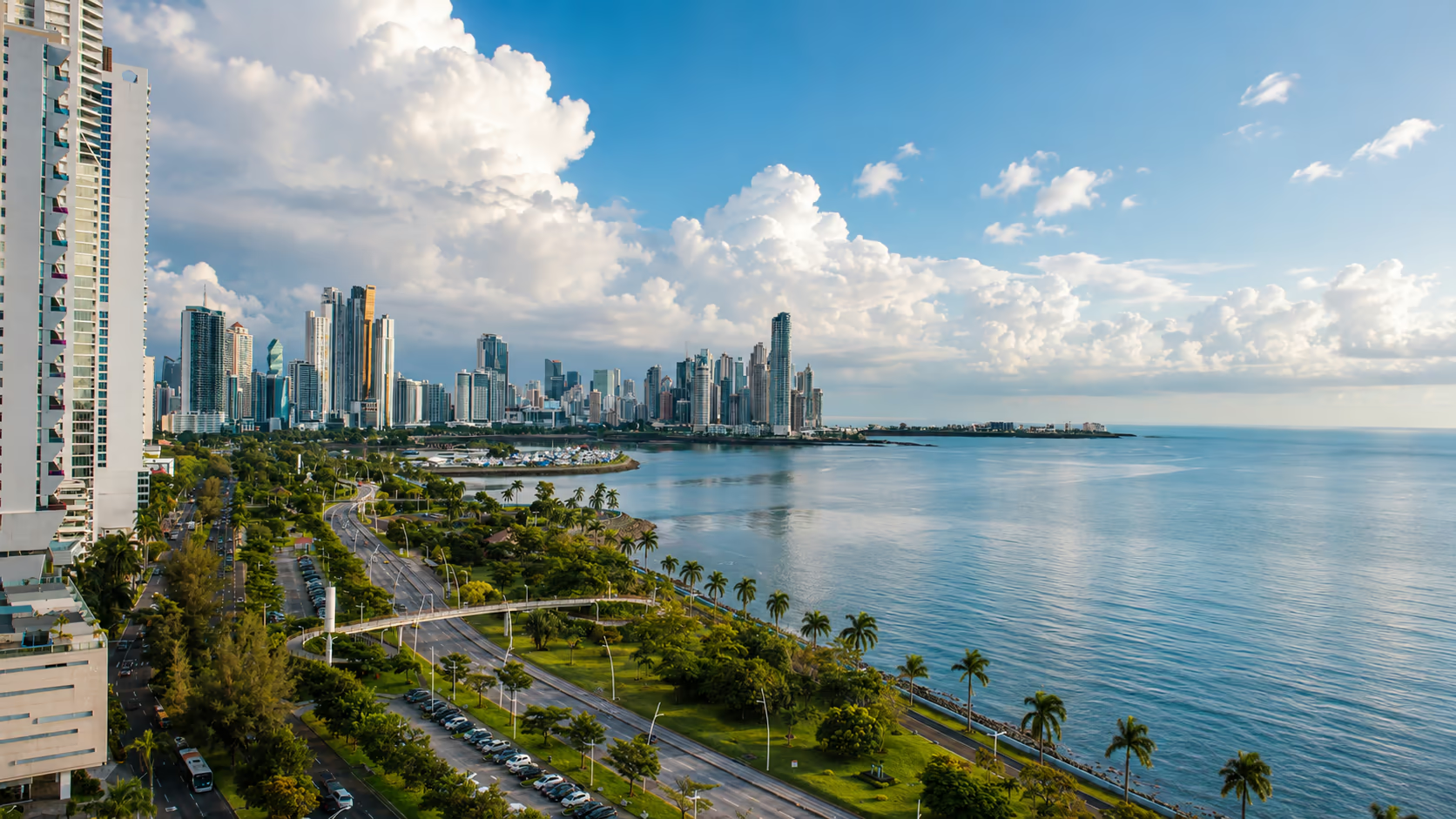
Panamá
Stability, connectivity and a strategic location.
Explore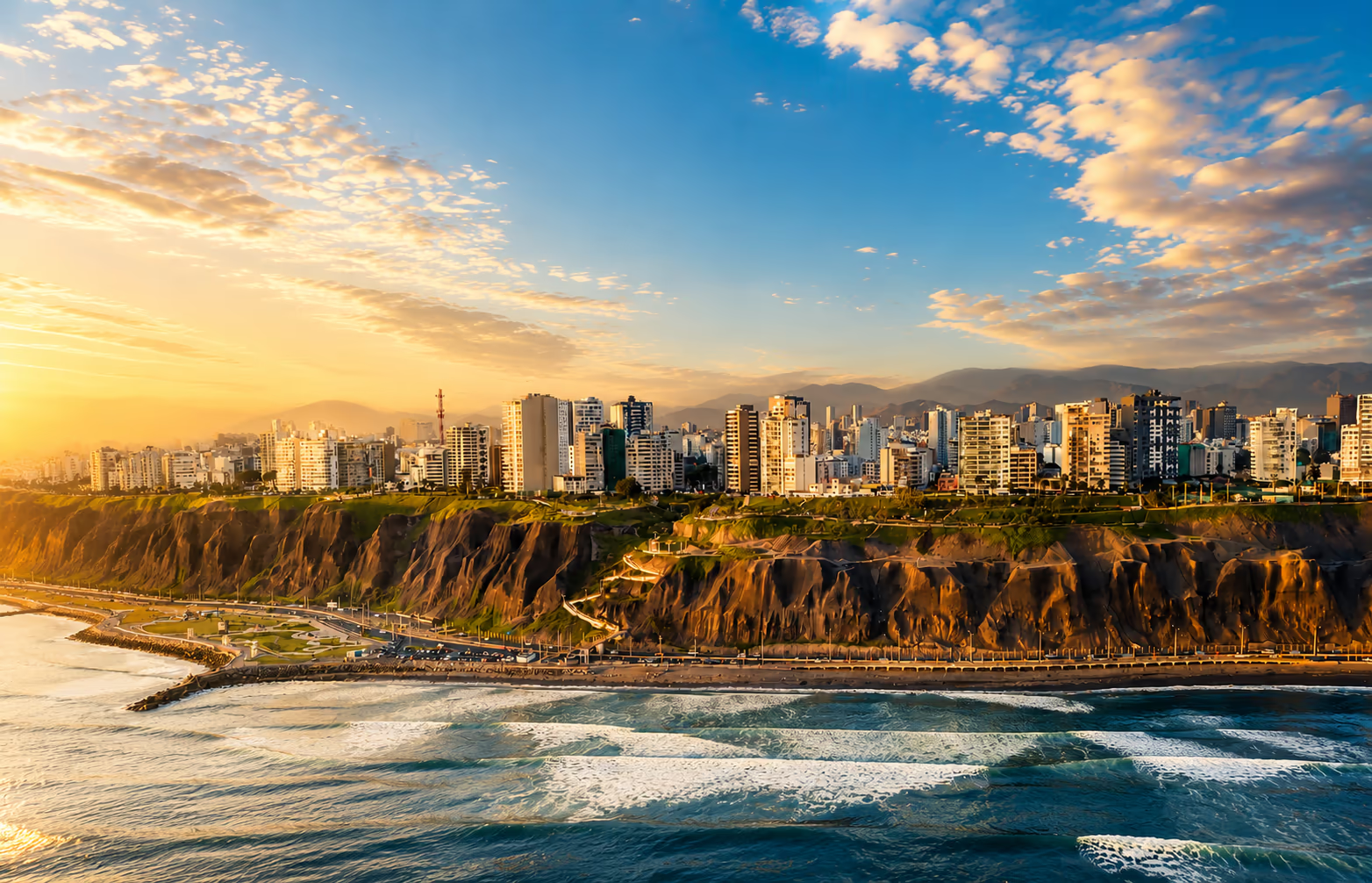
Perú
Rich history, incredible food, low cost of living.
Explore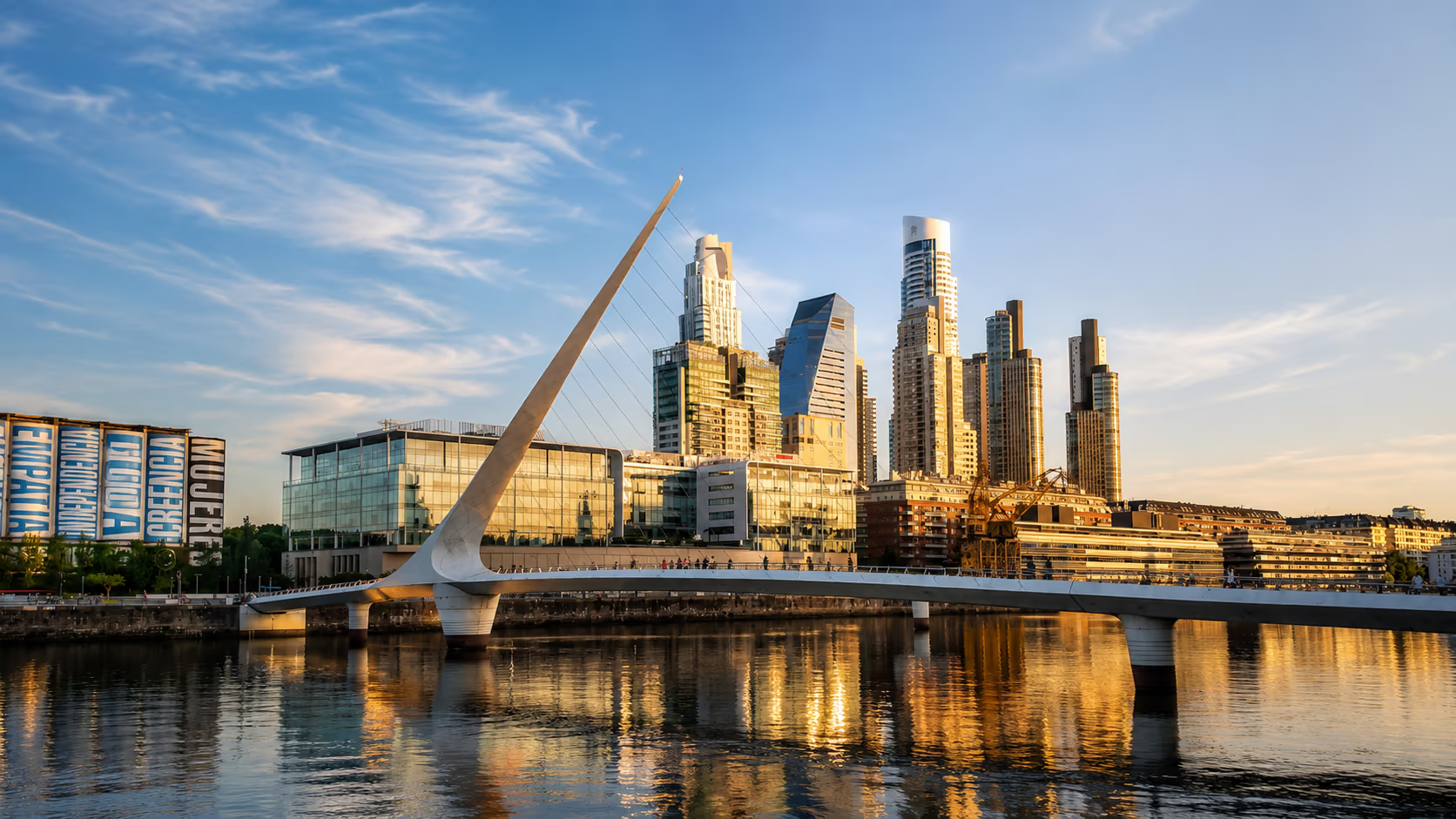
Argentina
Diverse landscapes, great food and opportunities.
Explore
Brasil
Continental scale, coastal cities and vibrant culture.
Explore
Uruguay
Stability, safety and a relaxed coastal lifestyle.
Explore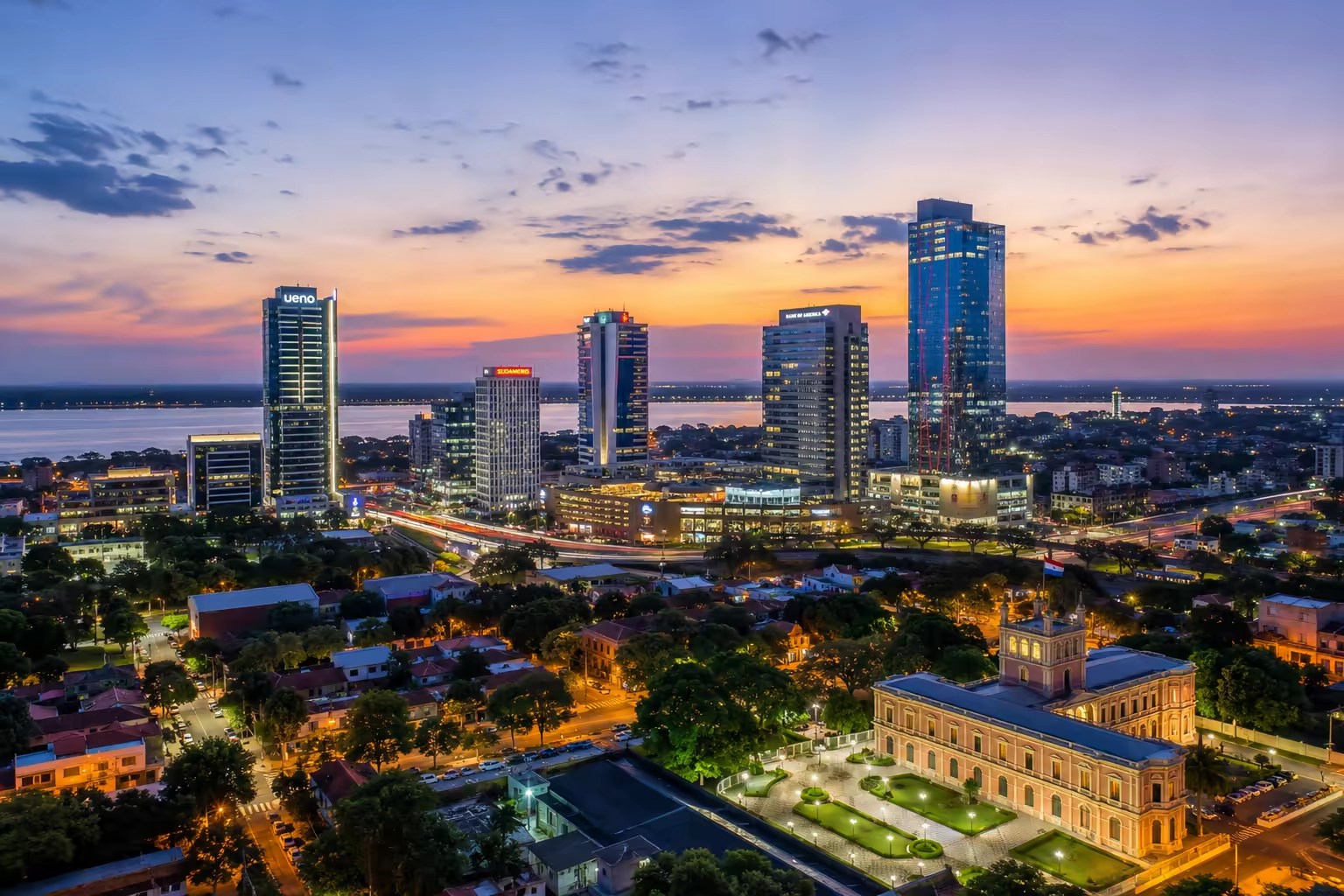
Paraguay
Low cost of living and a growing, accessible market.
ExploreThe map shows the properties available in this country. Tap a pin to see the details.
Search properties in ColombiaFrequently asked questions
Disclaimer: This information is general and educational. Foreign-exchange, tax, notarial, registry, rural-land and immigration requirements may change. They should be verified with a notary, attorney, accountant, bank or authorized professional before a transaction.