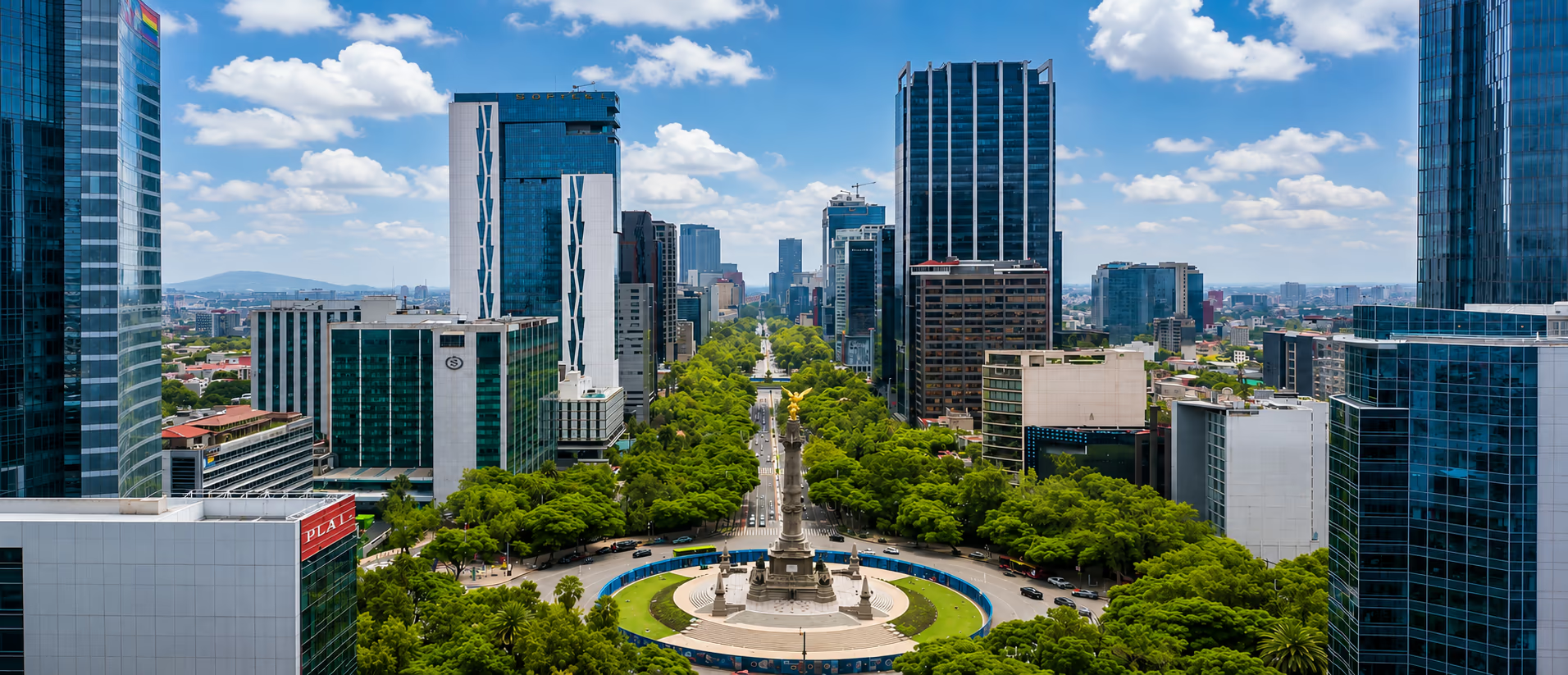
Mexico
Mexico combines major urban centers, coastal destinations, colonial cities and highly varied regional real-estate markets. For foreign buyers, opportunities and requirements differ by location, especially within the restricted zone.
- Capital
- Mexico City
- Currency
- Mexican peso (MXN)
- Language
- Spanish
- Population
- 131.9 million2025
- Region
- North America
- Time zone
- Multiple time zones
Key indicators
Population
131.9 million
GDP
US$1.83 trillion
GDP per capita
US$13,889
Urban population
80.0%
Human Development Index
0.789
National context only — these figures are not direct investment signals.
Why consider Mexico
Highly diverse markets
The country offers metropolitan, industrial, tourism, coastal and retirement markets with different demand profiles.
North American connectivity
Proximity to the United States and Canada supports travel, business, tourism and international housing demand.
Lifestyle variety
Buyers can choose among large cities, beaches, historic towns, mountain areas and expatriate communities.
Featured cities
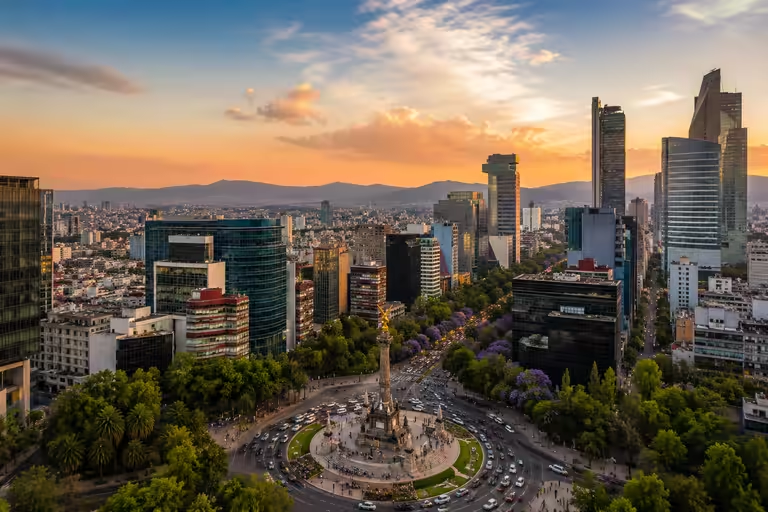
Mexico City
Large urban market with extensive cultural, employment and service offerings.
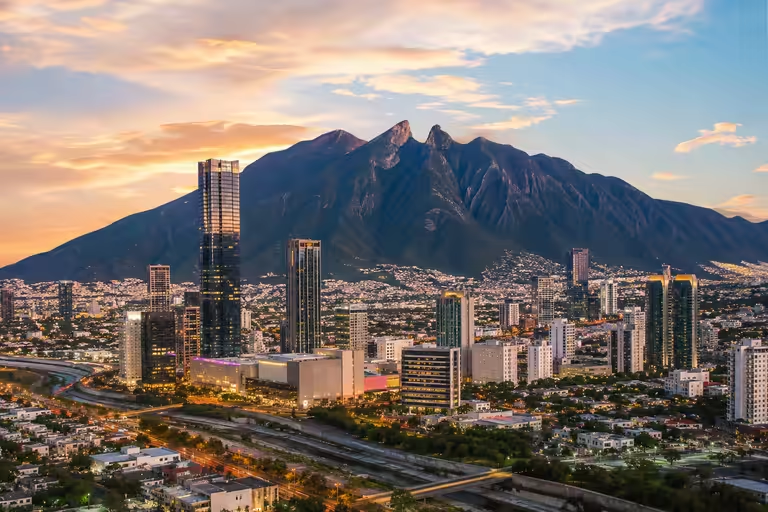
Monterrey
Northern industrial and business hub with strong corporate activity.
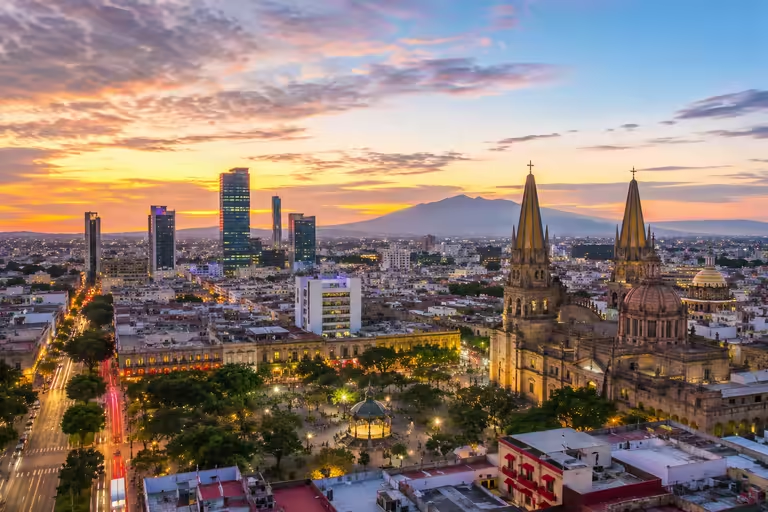
Guadalajara
Technology and cultural metropolis with diverse residential submarkets.
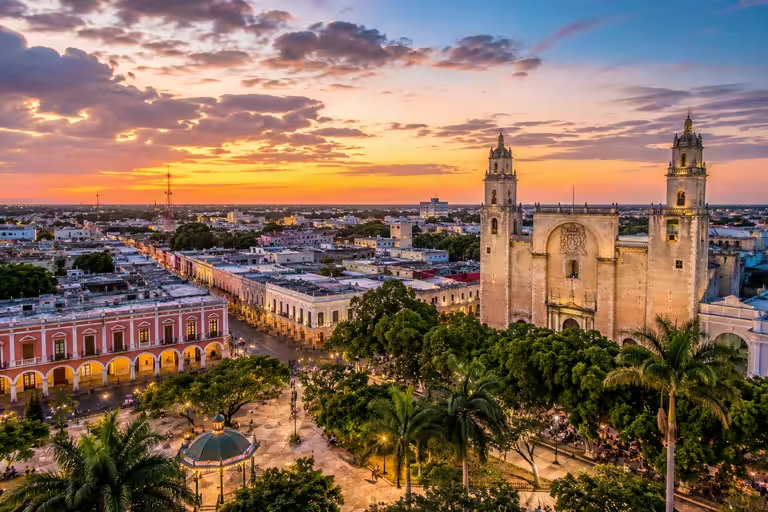
Merida
Southeastern city known for heritage, warm climate and urban growth.
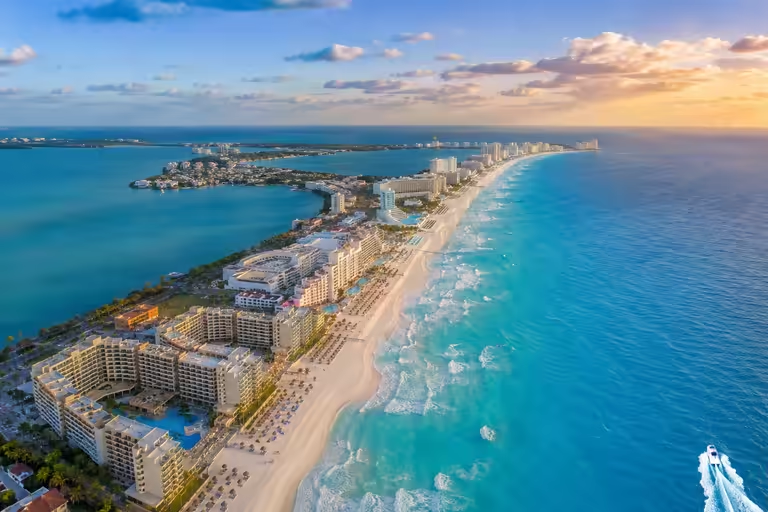
Cancun
International tourism destination with a vacation market and significant seasonality exposure.
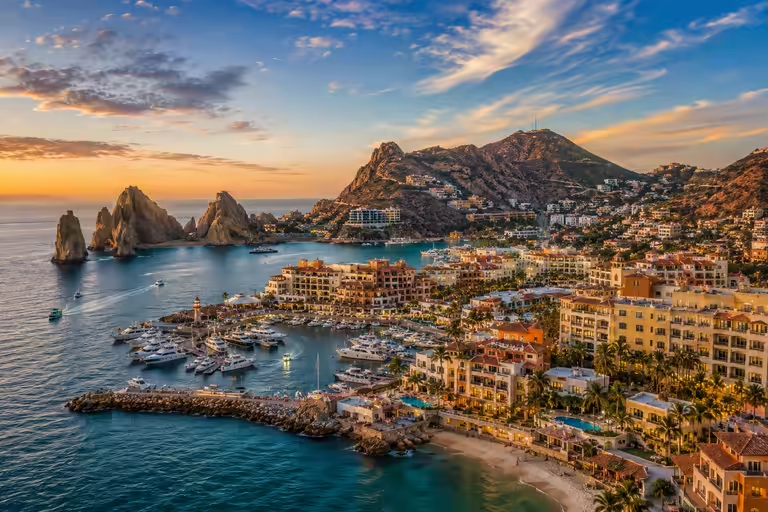
Los Cabos
Coastal market oriented toward international tourism and higher-value residential segments.
Buying property as a foreigner
Where the property is located changes the process
Outside the restricted zone
The official process covers acquisition by foreign nationals outside coastal or border zones, including the constitutional Article 27 agreement and notarized closing.
Inside the restricted zone
The Mexican Constitution establishes a restricted zone extending 100 km along borders and 50 km along coastlines.
Typical buying process
- 1
Legal due diligence
Verify ownership, deed, liens, land use, property tax, water accounts, condominium regime and applicable permits.
- 2
Offer and contract
Define price, currency, deposits, conditions, timelines and default consequences.
- 3
Permit or trust
Determine whether direct acquisition, a Foreign Affairs permit or a restricted-zone trust applies.
- 4
Notarial closing
The notary formalizes the transaction, calculates or withholds applicable charges and handles registry filing.
The Ministry of Foreign Affairs authorizes trusts that allow foreign nationals to use and benefit from residential property within the restricted zone.
Trust term: up to 50 years
Term, renewal and costs should be confirmed with the trustee bank and notary before purchasing.
Explore on the map
México
Warm climate, vibrant culture, great lifestyle.
Explore
Colombia
Affordable living, modern cities, and nature.
Explore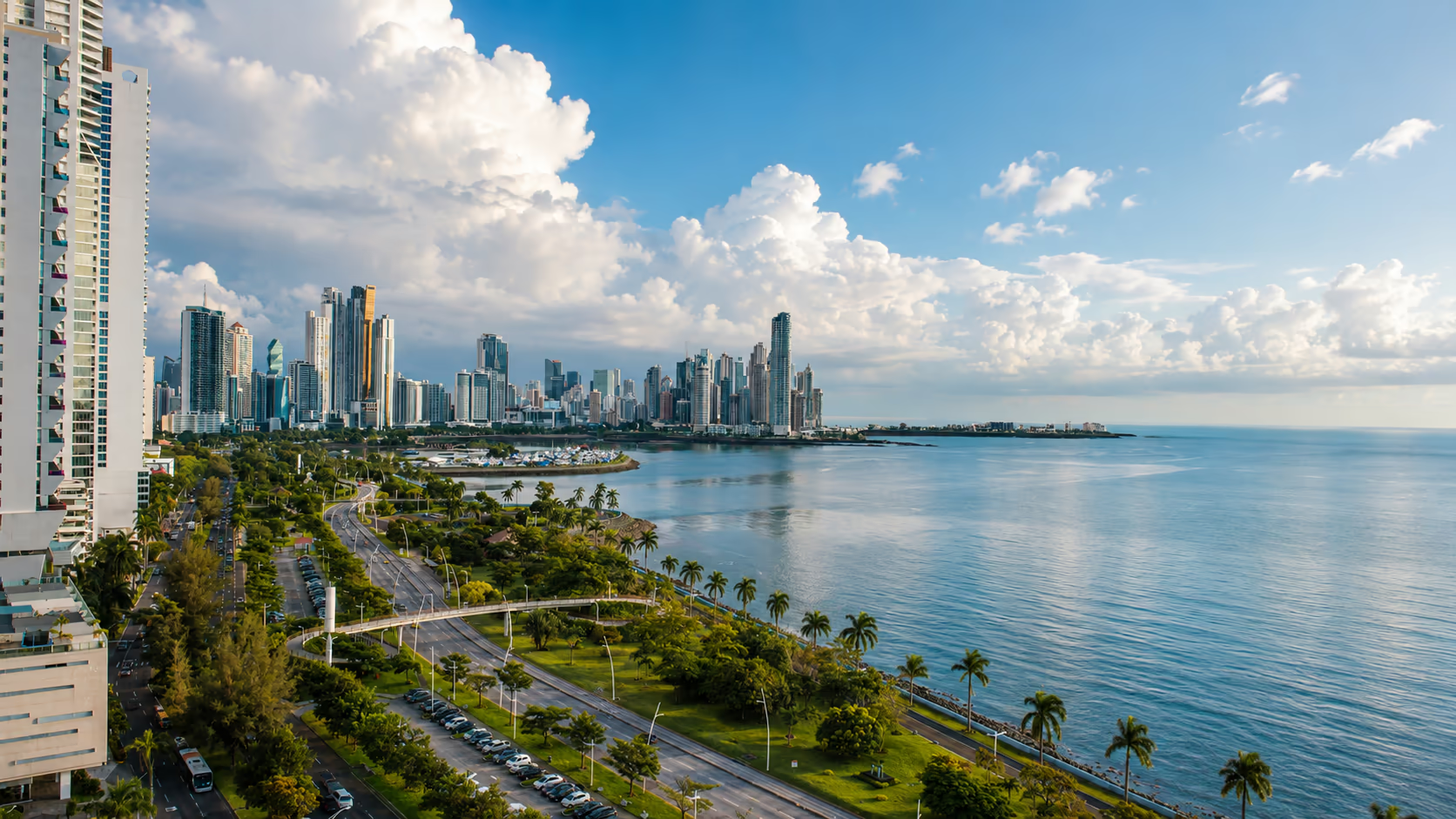
Panamá
Stability, connectivity and a strategic location.
Explore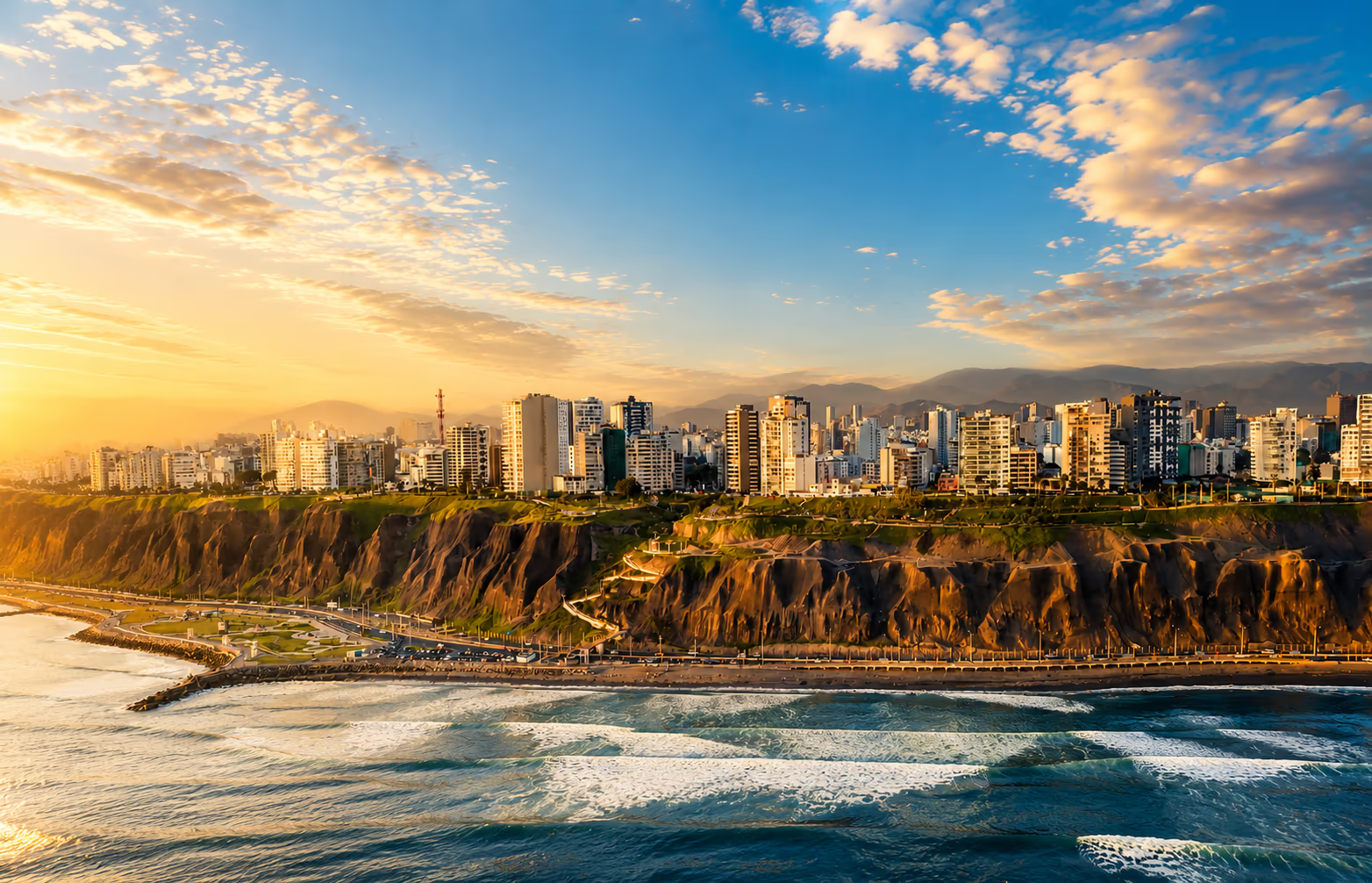
Perú
Rich history, incredible food, low cost of living.
Explore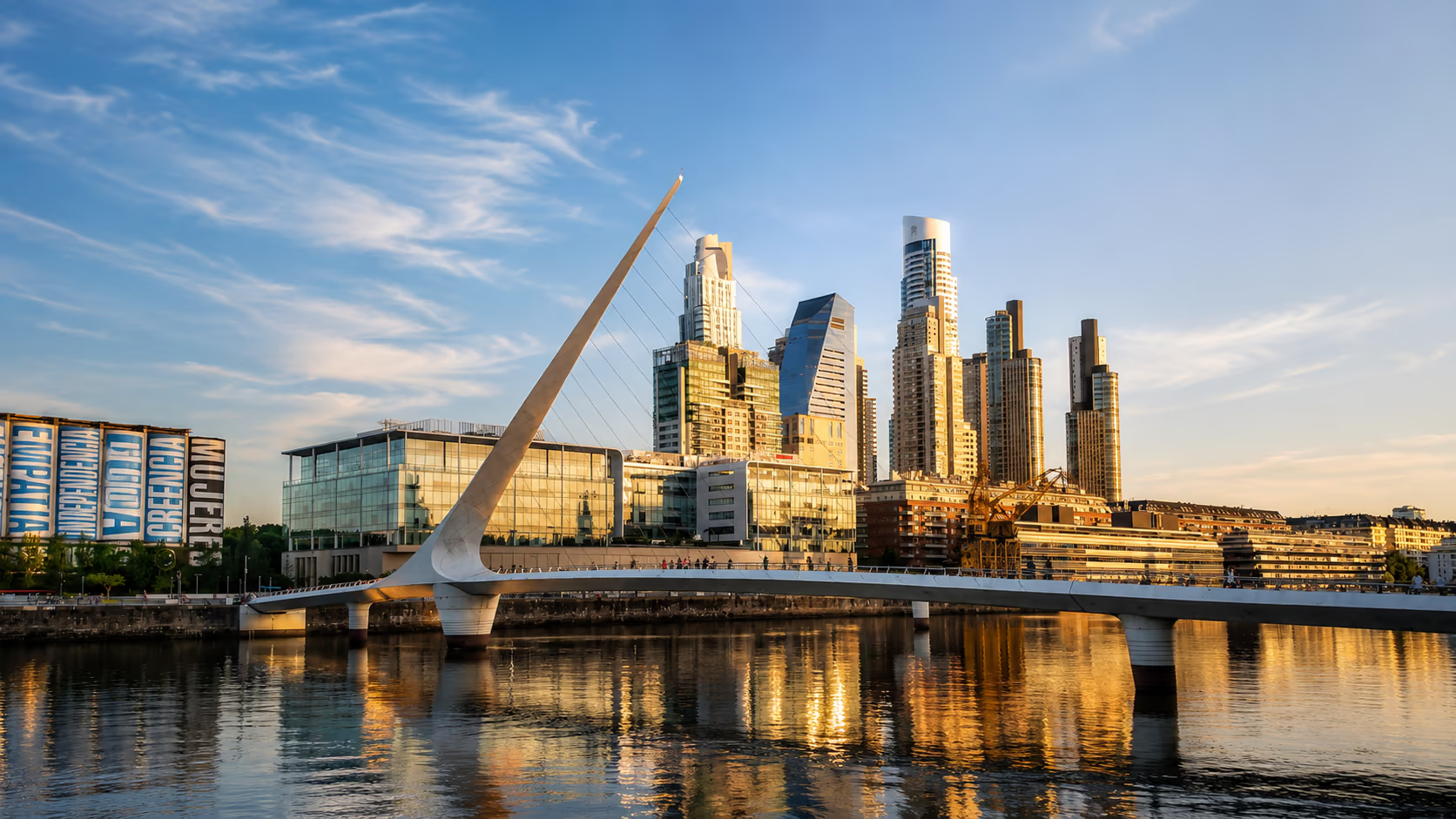
Argentina
Diverse landscapes, great food and opportunities.
Explore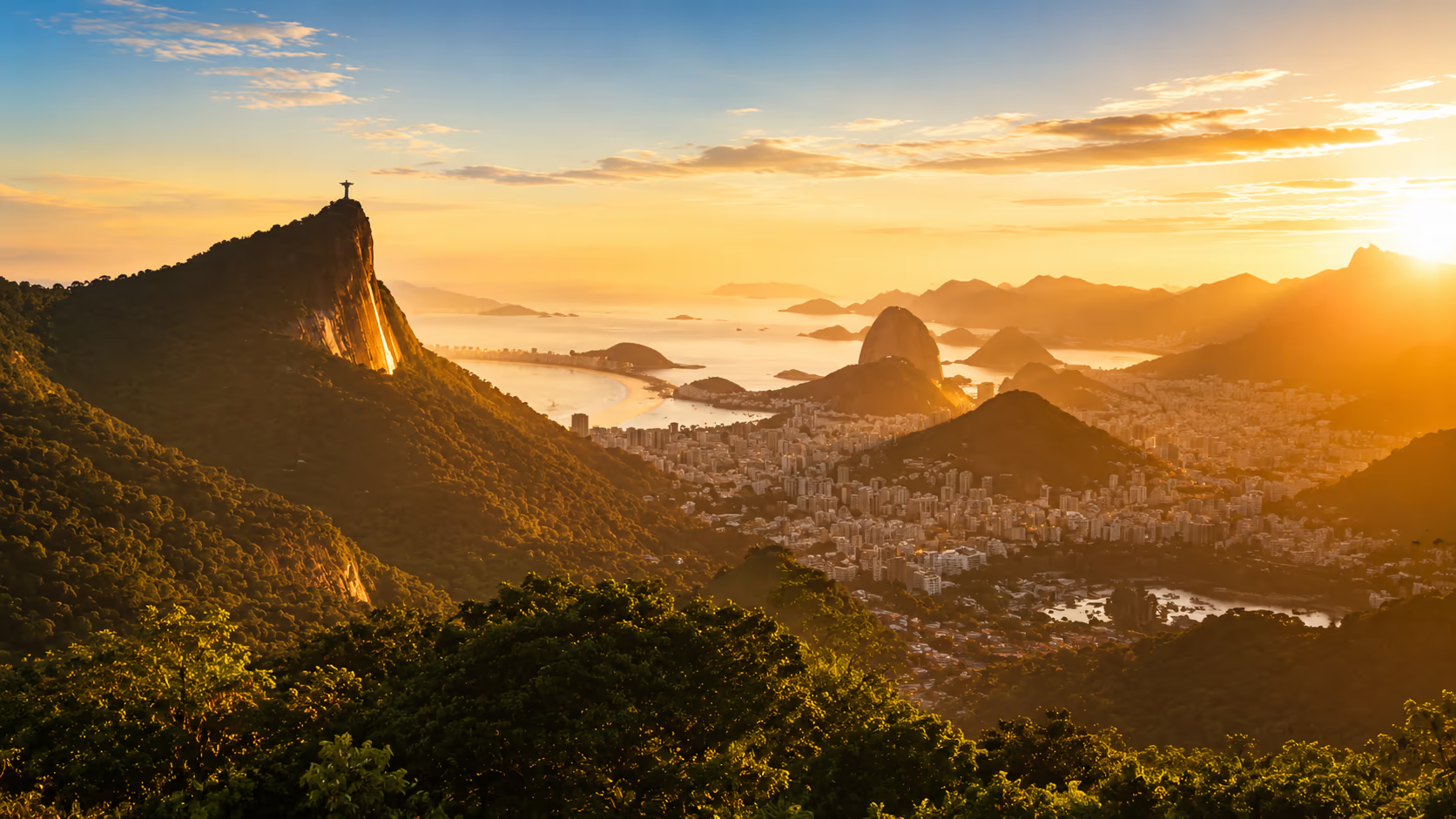
Brasil
Continental scale, coastal cities and vibrant culture.
Explore
Uruguay
Stability, safety and a relaxed coastal lifestyle.
Explore
Paraguay
Low cost of living and a growing, accessible market.
ExploreThe map shows the properties available in this country. Tap a pin to see the details.
Search properties in MexicoFrequently asked questions
Disclaimer: This information is general and educational. Legal, tax, immigration and purchase requirements may change and should be verified with a notary, attorney or authorized adviser in the state where the property is located.