

Find Your Ideal Home in
Latin America
Country Insights
Explore. Compare. Decide with confidence.
Eight market guides across Latin America. In four of them you can already browse the listings available today.
Explore all countries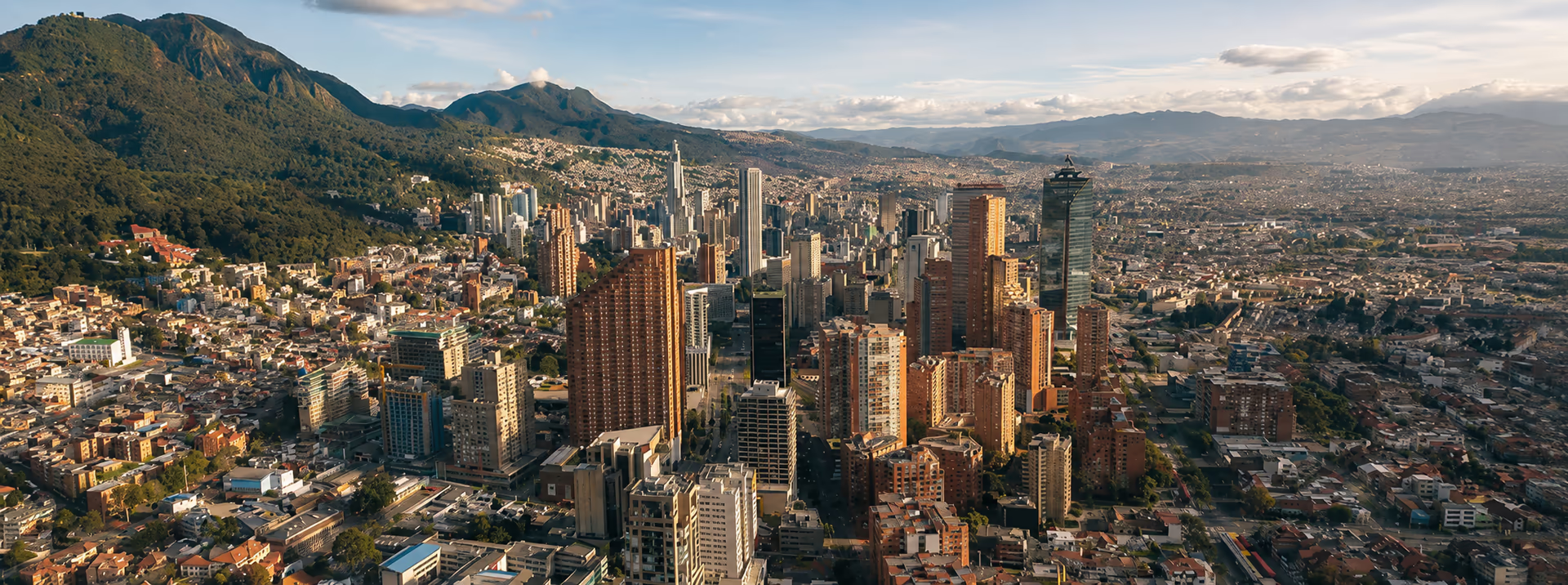


No listings yet — market guide only
Featured Properties
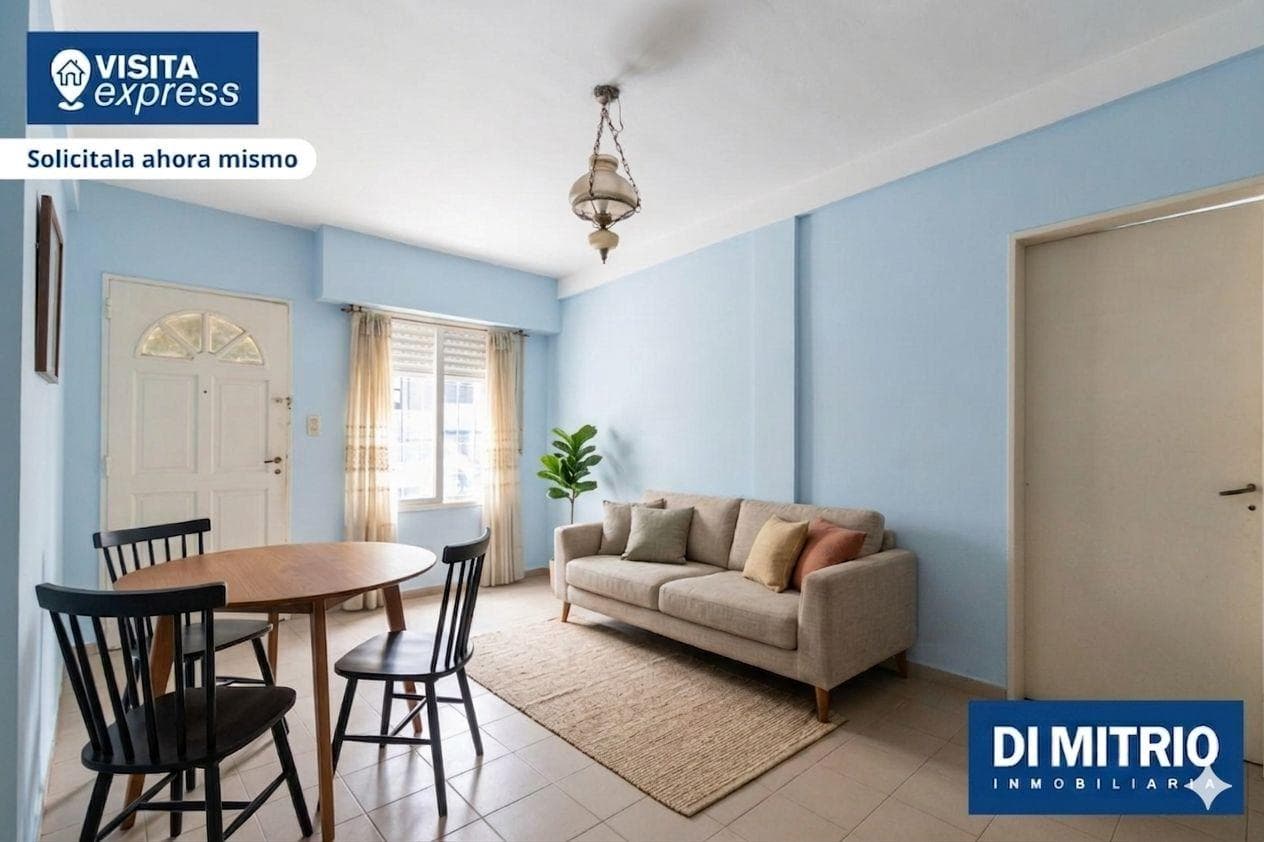
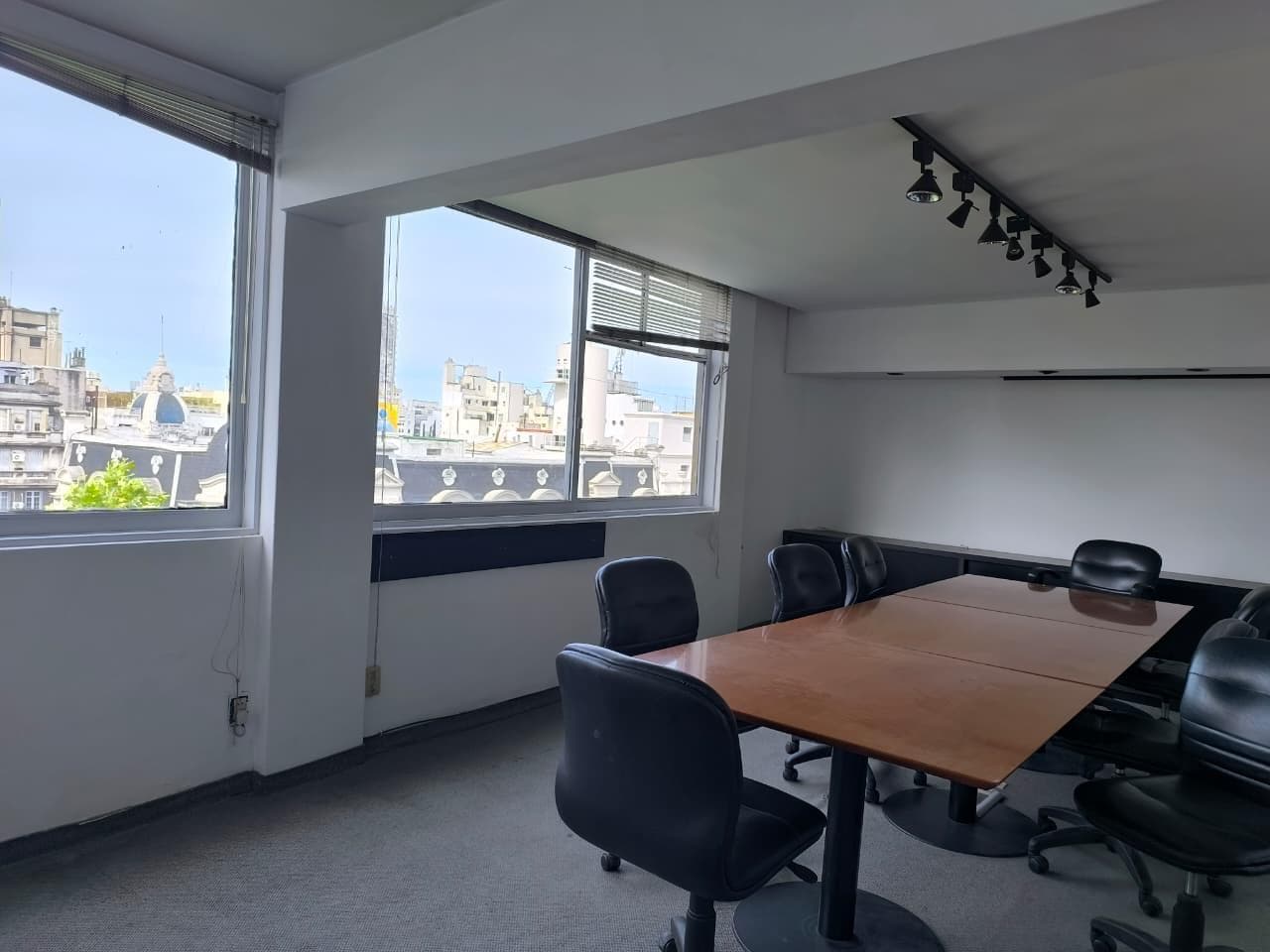
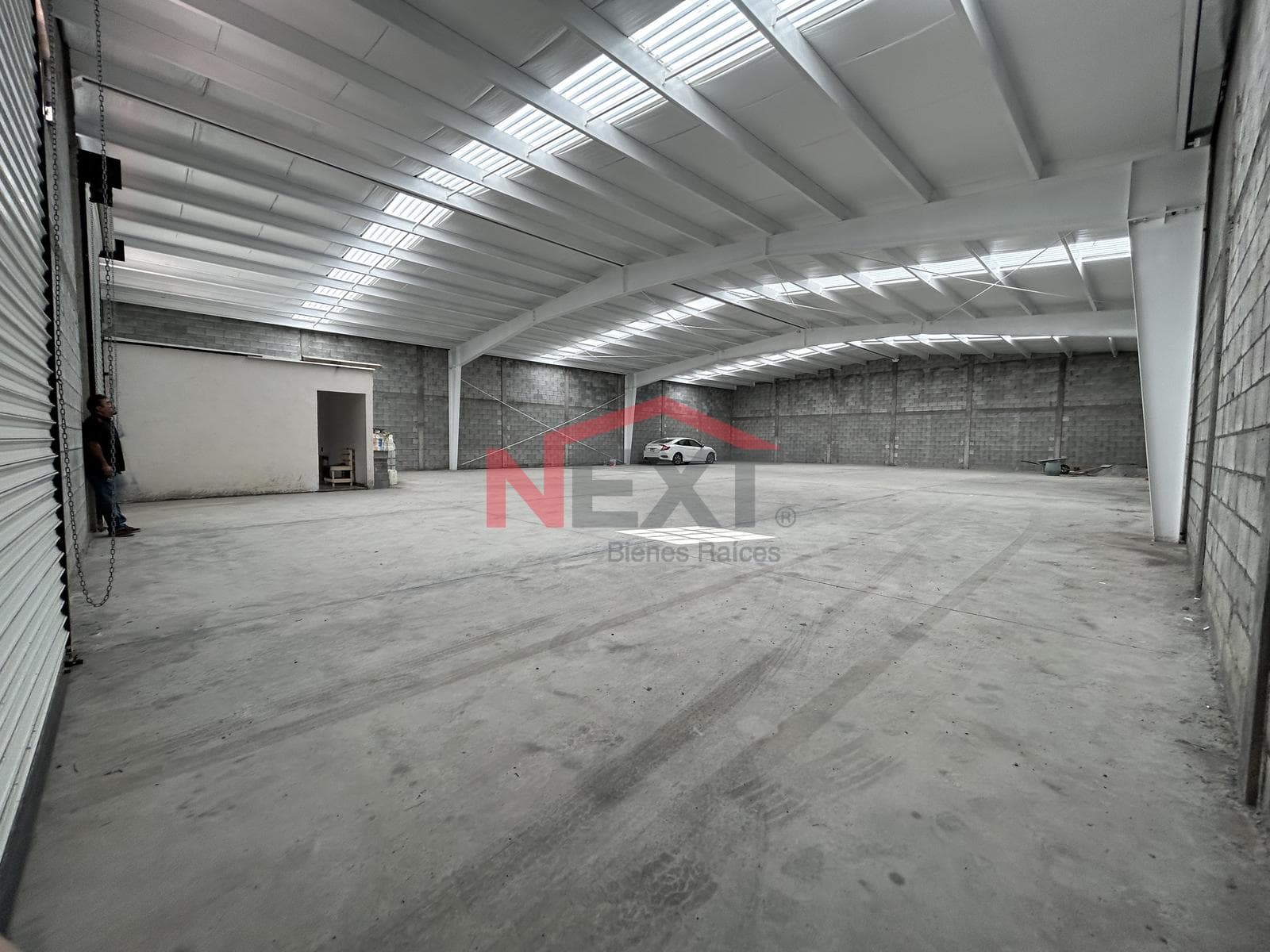
Handpicked selection of the best properties in Latin America










Know each market before you make the move
Foreign ownership rules, taxes, residency paths and the full buying process — compared across Latin America so you can decide with confidence.
Foreign ownership
What you can buy as a non-resident, with no surprises.
Taxes & fees
Closing costs and ongoing taxes, country by country.
Residency & visas
The paths to live there legally and long-term.
Buying process
Step by step, from your first offer to the deed.

Sell with KasaFinder
List your property where serious buyers are looking
Put your property in front of buyers from the U.S. and Canada searching for their home in Latin America — and let the right people find it.
Start sellingFrequently asked questions
Questions North American buyers ask us
The things worth knowing before you start shortlisting properties.
Explore Country InsightsIn most of the region, yes — foreign buyers can hold property in their own name. The details vary: several countries apply special rules to land near coastlines and borders, and a few require a particular structure to buy there. Our country guides set out what applies where, so you know the answer before you fall for a listing.
Because that is the currency most of our buyers think in. Listings are published in the seller's local currency and converted to USD, so you can weigh a house in Mérida against an apartment in Medellín without doing the math in your head. Any listing can be flipped back to its original currency.
Sometimes. Financing for non-residents exists in several countries, but whether you qualify depends on the lender, your residency status, income, credit history, down payment and the property itself — which is why no honest source quotes one regional rate. A large share of cross-border purchases are still made in cash.
Buying somewhere and living there are two separate questions across most of the region: owning property generally does not require residency, and it does not automatically grant it either. Some countries do offer residency paths tied to investment. Each country guide covers the visa and residency routes alongside the buying rules.
It happens often. Much of the process — title review, powers of attorney, moving funds — can be handled remotely through a local notary or attorney and an agent you trust. Most buyers still visit at least once before committing, and we would encourage it: photos never tell you what a neighbourhood sounds like at 8pm.
It differs by country, but the shape repeats: due diligence on the property and its title, a preliminary agreement, then signing before a notary and registering the deed. Every country guide walks through the steps in order, and every listing puts you in touch with the agent handling it.
General information, not legal or tax advice. Requirements change and vary by state and municipality — confirm anything that matters with a qualified professional where the property is located.
